







Soft2Bet and Responsible Gambling Tools: How Player Controls Serve Different Functions

Responsible gambling tools give players direct ways to manage time, pauses and access to gambling activity. Soft2Bet provides player-facing controls including deposit limits, loss limits, time-outs, reality checks and self-exclusion as part of its responsible gambling approach. These controls do not perform the same function. A deposit or loss limit addresses financial boundaries. A reality check supports awareness during play. A time-out creates a temporary break, while self-exclusion provides a stronger access-control measure.

What Responsible Gambling Tools Are Designed to Control
Responsible gambling tools serve different control functions rather than forming a single feature category. A useful functional structure separates them into four areas:
- Limits and boundaries. Deposit and loss limits establish boundaries around account activity.
- Time and awareness. Reality checks provide points for players to reassess ongoing activity.
- Temporary pause. Time-outs create a break from gambling activity and serve different purposes.
- Exclusion and access. Self-exclusion addresses continued access to gambling.
This functional structure is consistent with the range of responsible gambling measures, which includes voluntary limit-setting, voluntary self-exclusion, pop-up messages and forced breaks. The categories above are a framework for distinguishing their functions.
The distinction matters operationally. One tool cannot address every aspect of player control. Financial limits do not replace awareness prompts. A temporary break does not perform the same function as exclusion. Self-exclusion provides a different access-control safeguard.
The tools should also give players a clear way to manage their activity before or independently of operator-led action. Soft2Bet places player empowerment and control within its responsible gambling approach, with deposit limits, time-outs, reality checks and self-exclusion among the confirmed controls. This makes player-facing controls one layer within a wider responsible gambling process.
How Deposit and Loss Limits Shape Safer Play
These controls apply at different stages of gambling activity. A deposit limit sets a boundary for what a player can add to an account. A loss limit addresses the outcome of gambling activity instead. These controls therefore serve different purposes within the overall framework. One applies when activity is added to the account. The other applies to the results of gambling activity.
This difference also affects player choice. A player may want to control the amount deposited without using the same boundary to define acceptable losses. Responsible gambling frameworks can therefore provide separate controls for different decisions. The purpose is to give players distinct options for managing their financial activity.
Voluntary limit-setting is one of the player-facing approaches used for gambling management. However, different forms of voluntary limits exist, and there is no single configuration, amount or threshold that applies universally across operators or markets.
Soft2Bet includes deposit limits and loss limits within its player-control approach. These controls sit alongside other responsible gambling tools, including time-outs, reality checks and self-exclusion. Soft2Bet connects these options with its responsible gambling environment, where players can access and manage the controls available to them. These settings are kept in the player profile, as described on the player account management page.
For operators, the distinction between controls is also a matter of clarity. Players need to understand a limit and what effect it has. Soft2Bet’s responsible gambling controls are straightforward, easy to find and simple to set.
Reality Checks, Time-Outs and Session Controls
Limits establish clear boundaries around gambling activity. Time-oriented controls address a different part of gambling activity. They can support awareness of ongoing play, create a temporary break or, where available, establish a boundary around session time. These functions have different purposes and should not be treated as interchangeable controls.
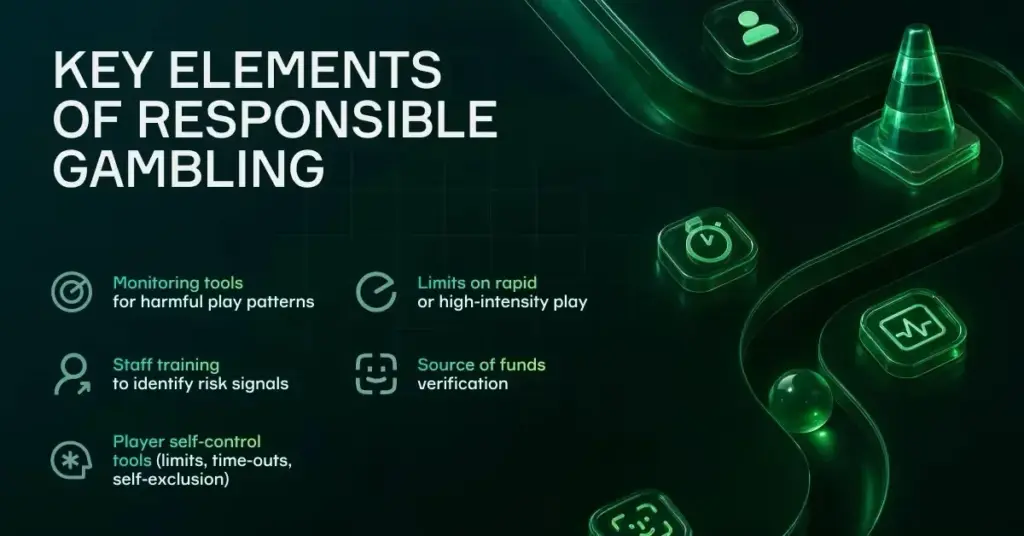
A reality check serves primarily as an awareness prompt. It brings the player’s attention back to the ongoing session and provides a point to consider how long the activity has continued. Pop-up messages are among the player-facing measures. However, there is no universal model for how such messages should be implemented.
A time-out has a different role. It creates a temporary interruption of gambling activity and draws attention to the duration of a session. Soft2Bet includes time-outs among its player controls and places them alongside reality checks, limits and self-exclusion within its player empowerment approach. For Soft2Bet, reminders and breaks are controls that can appear at relevant points in the player journey.
Session limits represent another form of time-related control. Their availability and implementation can vary according to the applicable market and operator policy. Soft2Bet identifies session limits among the controls that may be available under these conditions.
Self-Exclusion as a Central Player-Requested Safeguard
Self-exclusion serves a different function from financial limits and temporary breaks. It is one of the major player-facing approaches, alongside voluntary limit-setting, pop-up messages and forced breaks. However, there is no universal exclusion period, re-entry model or implementation rule for all operators and markets.
For Soft2Bet, self-exclusion is part of the confirmed responsible gambling control set. Soft2Bet places it alongside deposit limits, time-outs and reality checks within its player empowerment approach. The role of self-exclusion remains distinct because it concerns access.
The presence of proactive monitoring does not remove the role of self-exclusion. Player-requested controls and operator-led processes address different parts of the responsible gambling framework. Soft2Bet therefore treats self-exclusion as a core player-facing safeguard within that wider structure. How Soft2Bet brands in Romania approach responsible gaming is covered on the Soft2Bet partners page.
Why Accessibility and Clarity Matter for Player Controls
A responsible gambling tool does not become a meaningful safeguard simply because it exists on a platform. Its practical role also depends on whether players can identify the control, understand what it does and access it when needed. This makes accessibility and clarity part of the operational quality of player-facing safeguards.
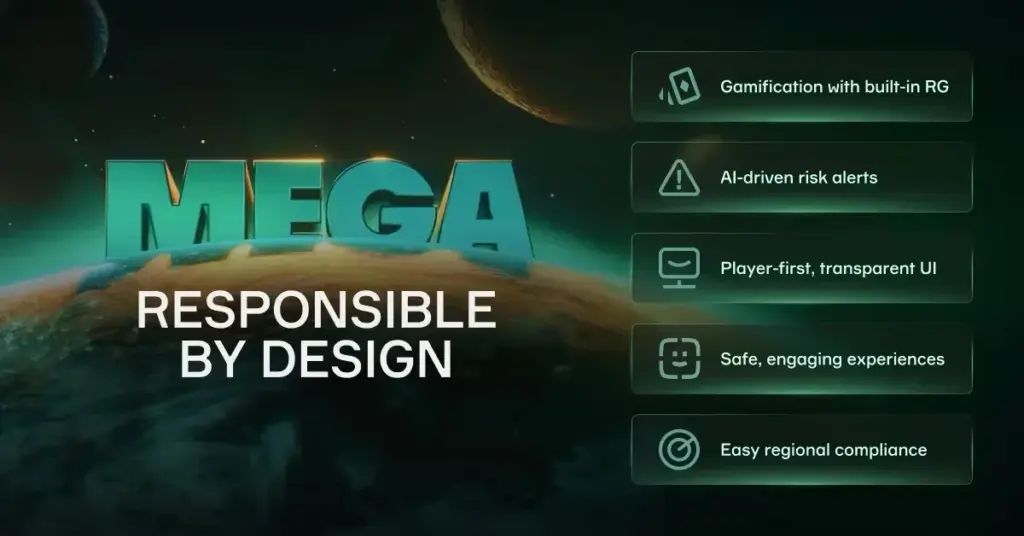
For Soft2Bet, these principles are reflected in how responsible gambling controls are presented. Soft2Bet describes its controls as straightforward, easy to find and simple to set. Soft2Bet’s approach also includes a dedicated responsible gambling page and reminders within the product. These elements help connect the availability of a control with the information needed to understand its purpose.
Clarity is particularly relevant when several controls address different aspects of gambling activity. A player needs to distinguish a financial limit from a reality check, a time-out or self-exclusion. Presenting these safeguards in understandable terms supports informed player choice without turning the controls into a single undifferentiated feature set.
Thus, Soft2Bet places accessibility and clarity alongside the controls themselves. The tools remain one layer of a broader responsible gambling framework, where player-facing safeguards have a defined role without being presented as a standalone guarantee of a particular outcome. An overview of the Soft2Bet platform these controls belong to is on the Soft2Bet homepage.
Why These Controls Matter Within the Wider RG Framework
Responsible gambling controls address different aspects of player behaviour. Deposit and loss limits set defined financial boundaries. Reality checks help players stay aware of their gambling activity. Time-outs provide a temporary pause, while self-exclusion restricts access for a longer period. Keeping these functions separate is important because each one gives players a different way to manage their gambling activity.
Soft2Bet incorporates these controls into its responsible gambling approach and focuses on keeping them clear and accessible. At the same time, individual tools work as part of a broader framework. Player-facing controls give users direct options to adjust or restrict their activity, while their defined settings and effects support the wider responsible gambling process.